
Do I need an Edwards Aquifer plan before building in Bexar or Medina County?
You need an approved Edwards Aquifer protection plan before construction begins if your site sits on the recharge, transition or contributing zone. In the San Antonio region the TCEQ program pages name Bexar, Medina, Comal, Uvalde and Kinney counties, so of the seven counties on this site, Bexar and Medina are the two those pages name.
Read the rest
Only portions of the aquifer are regulated, and TCEQ points to its own map viewer to settle a specific parcel. The rest of this page is which plan goes with which zone, what counts as a regulated activity, what the acreage costs, how long the review runs, and what the approval does to the pad, the septic system and the schedule.
Ready to build? An independent local contractor who works your county prices the building. The estimate costs you nothing, now or later, whatever you decide.
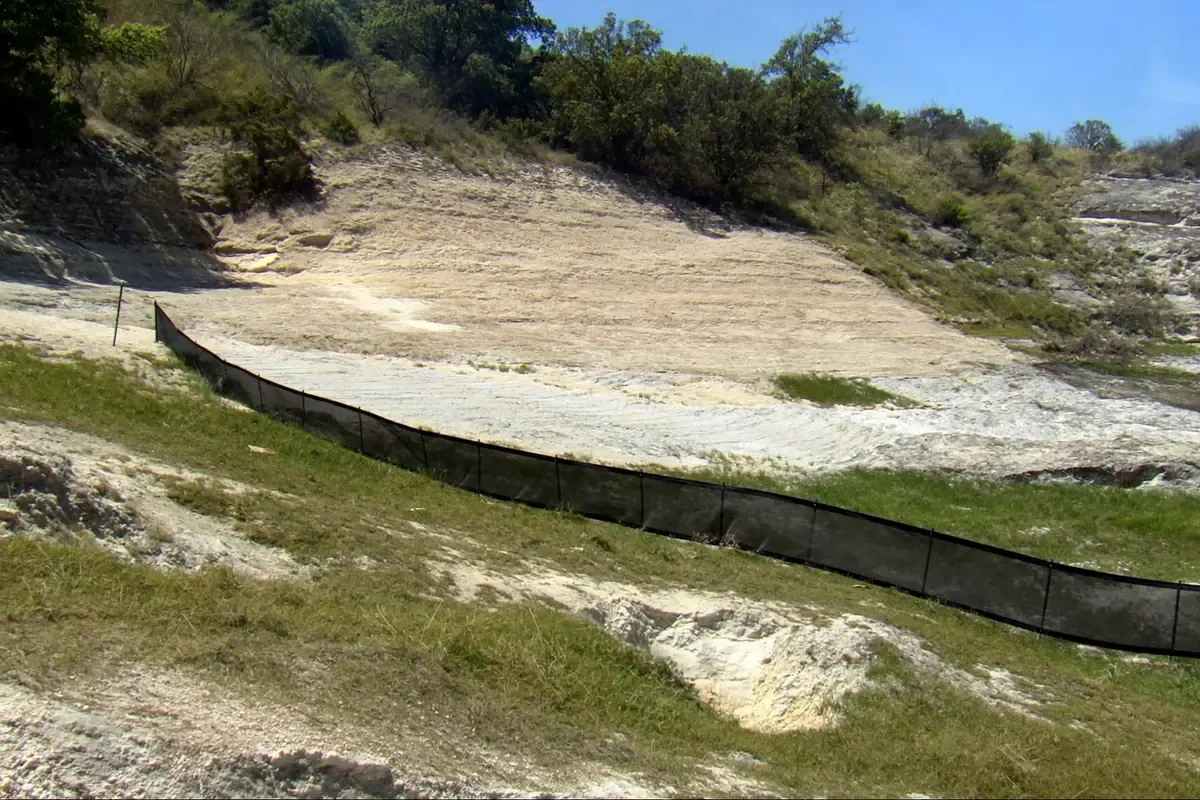
Which sites need an Edwards Aquifer plan in Bexar and Medina?
Where the site sits on a regulated zone, yes. The Texas Commission on Environmental Quality requires an approved Edwards Aquifer protection plan before construction begins on the recharge zone, the transition zone or the contributing zone. In the San Antonio region the program pages name Bexar, Medina, Comal, Uvalde and Kinney counties. Bexar and Medina are the two counties on this site those pages name.
The county is not the test on its own. TCEQ states that only portions of the aquifer are regulated, and it points to its own map viewer to find out whether a specific site sits over a regulated zone. The answer belongs to the parcel, so that check comes before anything is designed and before any dirt is moved.
Source: Texas Commission on Environmental Quality, Edwards Aquifer Protection Program, read 2026-09-13.
What counts as a regulated activity on the aquifer?
More than the building itself. On the recharge zone any regulated activity needs an approved water pollution abatement plan, and TCEQ names the construction of buildings, utility stations, roads, highways and railroads, plus clearing, excavation, and any activity that alters or disturbs the topographic, geologic or existing recharge characteristics of a site.
Clearing and excavation on that list is the part that catches a metal building job out. The dozer work, the pad and the cut for the drive are regulated activities in their own right, so on a recharge-zone site the approval has to be in hand before site prep starts, not before the steel arrives. What that work involves once it is cleared to start is on pad grading and site prep.
Source: Texas Commission on Environmental Quality, Edwards Aquifer Protection Program, what plans you might need, read 2026-09-13.
What is a water pollution abatement plan?
It is the plan TCEQ requires on the recharge zone. Any regulated activity there, from the list above, needs an approved water pollution abatement plan before it begins.
The drainage rule widens who it reaches. A site that sits partly on the recharge zone, where the natural drainage flows back to the recharge zone, is treated as if the whole site were on the recharge zone. So a tract with one corner over the zone can be reviewed as a recharge-zone site, and the shape of the drainage decides that, not the share of the acreage.
Source: Texas Commission on Environmental Quality, Edwards Aquifer Protection Program, what plans you might need, read 2026-09-13.
The contributing zone plan, and the five-acre line
On the contributing zone a plan is needed only where the activity disturbs at least five acres or is part of a larger plan of development or sale. A single shop building on a contributing-zone tract can sit under that line where a warehouse and its parking and truck apron do not, so the disturbed acreage is worth pinning down early in the layout.
One gap is worth stating plainly. The records behind this page name the recharge zone plan and the contributing zone plan. They do not state which plan applies on the transition zone, so that question goes to the program rather than to this page, even though the transition zone is one of the three zones the approval requirement names.
Source: Texas Commission on Environmental Quality, Edwards Aquifer Protection Program, what plans you might need, read 2026-09-13.
Source: Texas Commission on Environmental Quality, Edwards Aquifer Protection Program, read 2026-09-13.
How long does Edwards Aquifer review take?
There are two reviews, and the second one runs 90 days. TCEQ schedules the administrative review two weeks from the submission date and it can take up to 30 days. Payment is made through TCEQ EPay after that review, and the application is deemed administratively complete only once payment confirmation reaches the program. Technical review then has 90 calendar days, with two deficiency response periods of 14 days each.
Construction or other regulated activity may not begin until the approval is issued. Read that beside the clearing rule above and the order of the job changes: on a recharge-zone site the calendar starts at the aquifer plan, ahead of the building permit and well ahead of the slab.
Source: Texas Commission on Environmental Quality, Edwards Aquifer application and review process, read 2026-09-13.
Source: Texas Commission on Environmental Quality, Edwards Aquifer Protection Program, what plans you might need, read 2026-09-13.
What does an Edwards Aquifer plan cost?
The application fee is set by the acreage of the whole property inside its legal boundaries and by the type of development, with a minimum of $650 and a maximum of $10,000. On the TCEQ fee schedule a non-residential project, which the schedule defines to include commercial, industrial, institutional, multi-family and school sites, pays by acreage:
Under one acre: $3,000.
One to under five acres: $4,000.
Five to under 10 acres: $5,000.
10 to under 40 acres: $6,500.
40 to under 100 acres: $8,000.
100 acres or more: $10,000.
Source: Texas Commission on Environmental Quality, Edwards Aquifer application fee form TCEQ-0574, read 2026-09-13.
What the fee table does not cover
Two things about the table above are easy to misread. It is priced on the acreage of the whole property inside its legal boundaries, not on the footprint being disturbed, so a small building on a large tract pays on the tract. And it is the agency fee only: what an engineer charges to prepare the plan is not published by TCEQ, so no figure for it appears here. Get that number in writing when you get the building priced, because it lands whether or not the building goes up.
Source: Texas Commission on Environmental Quality, Edwards Aquifer application fee form TCEQ-0574, read 2026-09-13.
Does a metal building at a private residence need an aquifer plan?
A private residence is inside the rules, not outside them. TCEQ states that construction at a private residence on the recharge or contributing zone is subject to the Edwards Aquifer rules, and it lists the cases where a homeowner may not need an individual plan: the residence is part of a master community with an approved plan, the lot is larger than five acres with no more than one residence on it, the construction keeps impervious cover at or under 20 percent of the lot, or rainwater harvesting brings adjusted impervious cover to 20 percent or less.
Impervious cover is where a shop building changes the arithmetic. TCEQ counts rooftops, driveways, concrete pads, sheds and sidewalks as impervious cover, so the building, the slab under it, the apron and the drive out to the road all go into one total. Work that percentage before the size of a metal shop or workshop is settled, because it can be the number that decides the footprint.
Source: Texas Commission on Environmental Quality, Edwards Aquifer private residences, read 2026-09-13.
How do I find out which zone my parcel is in?
Through the TCEQ map viewer. The program states that only portions of the aquifer are regulated and points to its own map viewer to find out whether a specific site sits over a regulated zone. The source line under this section links straight to that program page.
No page here can answer the zone question for a specific address. Take it from the agency map or from the engineer sealing the plans, and put the answer in the project file in writing before the design starts.
Source: Texas Commission on Environmental Quality, Edwards Aquifer Protection Program, read 2026-09-13.
Does a well on the property need an Edwards Aquifer Authority permit?
That is a different agency with a different job. The Edwards Aquifer Authority is a separate body from TCEQ, responsible for a jurisdictional area of more than 8,000 square miles across eight counties in south-central Texas: all of Uvalde, Medina and Bexar counties, plus portions of Atascosa, Caldwell, Guadalupe, Comal and Hays counties. TCEQ approves the protection plans; the Authority handles the wells.
Anyone who intends to drill a well into or through the Edwards Aquifer must first file a well construction permit application with the Authority, and the application fee is $25. Capping or plugging an existing well also takes an Authority permit before any work begins: $125 for a capping permit valid five years, and $25 per well for a plugging permit with 180 days to complete the work.
An existing well has its own paperwork. State law requires all wells that withdraw water from the Edwards Aquifer to be registered with the Authority. To be recognized as an exempt well, and so withdraw without a groundwater withdrawal permit, the owner registers the well and shows that it cannot produce more than 25,000 gallons of water a day, that it is used solely for domestic or livestock use, and that it does not serve a subdivision requiring platting, which the Authority describes as providing water to more than three homes. Where the water, the sewer and the power come from on a rural lot is on septic, water and electric for a shop or warehouse.
Source: Edwards Aquifer Authority, learn about the aquifer, read 2026-09-13.
Source: Edwards Aquifer Authority, well closure procedures and construction, read 2026-09-13.
Source: Edwards Aquifer Authority, well registration and updates, read 2026-09-13.
Does the septic system change on the recharge zone?
It changes who may draw it. State rule 30 TAC 285.5 requires a professional engineer or a professional sanitarian to prepare and seal the planning materials for all new construction in the Edwards Aquifer recharge zone. The same rule requires that seal for non-standard treatment or disposal, and a professional engineer specifically where secondary treatment is required.
The building category matters here too. The rules define a commercial or institutional facility as any building not used as a single-family dwelling or duplex, which puts a shop, a warehouse or a church building in that class before the aquifer question is asked at all. An owner or installer may prepare the planning materials only where none of those triggers applies.
Source: Texas Commission on Environmental Quality publication RG-472, on-site sewage facility rules compilation, read 2026-09-13.
Does stormwater coverage replace the aquifer plan?
No. The TCEQ construction general permit states that construction at a site regulated under the Edwards Aquifer rules may not begin until the Edwards Aquifer protection plan has been approved by TCEQ. The two run together, and the aquifer approval is the one that gates the start.
The stormwater tiers then apply on their own acreage terms. Construction that discharges stormwater to surface water in the state and disturbs one acre or more needs coverage under the construction general permit, with a stormwater pollution prevention plan developed and implemented before construction starts. A site of five acres or more submits a Notice of Intent through the STEERS system before work begins. A site of one to under five acres posts a signed small construction site notice at the site and sends a copy to the storm sewer operator at least two days before construction begins. A site under one acre that is not part of a larger common plan of development or sale is not regulated by the permit.
One more piece of paper goes with an aquifer-area site: an applicant whose discharge is within 10 stream miles upstream of the recharge zone also sends a copy of the Notice of Intent to the TCEQ regional office, which for Bexar, Medina, Comal, Uvalde and Kinney counties is the San Antonio office.
Source: Texas Commission on Environmental Quality, general permit TXR150000, part II, read 2026-09-13.
Source: Texas Commission on Environmental Quality, construction stormwater general permit TXR150000, read 2026-09-13.
How the aquifer plan sits beside the county permit in Bexar and Medina
In unincorporated Bexar County the county building permit for a structure that is not for single-family dwelling use comes from the Fire Marshal Office on 210-335-0300, after a Building Permit Authorization from Bexar County Public Works, and that permit covers site clearing as well as constructing, renovating or changing the occupancy of a building. The aquifer plan is a separate approval from a separate agency, and on a recharge-zone site it is the one that has to be issued before the clearing starts.
Medina County publishes a one-page list of the permits it requires: 911 addressing, water well, floodplain, septic, and driveway and utility. A building permit for a commercial or accessory structure is not one of them, and no page read on the county site names a building department, a building code edition or a county-level commercial plan review. (Medina County, What Type of Permits Are Required In Medina County?, read 2026-09-13). That absence does not touch the aquifer question. The TCEQ requirement is a state one and it applies whatever the county does or does not permit, so confirm the county side on 830-741-6000.
Source: Texas Commission on Environmental Quality, Edwards Aquifer Protection Program, read 2026-09-13.
Source: Texas Commission on Environmental Quality, Edwards Aquifer Protection Program, what plans you might need, read 2026-09-13.
Source: Bexar County, building permits and fire marshal code enforcement pages, read 2026-09-13.
Who handles the Edwards Aquifer plan on your project
TCEQ reviews and approves it, and construction or other regulated activity may not begin until the approval is issued. The records behind this page do not name who has to prepare the plan, so that question goes to the program and to the engineer sealing the drawings. What is settled is the timing: up to 30 days for the administrative review, 90 calendar days for technical review, and no clock at all while the application is incomplete.
The contractor builds what the approved plan and the drawings show. Texas licenses no builder, so the credential that matters on an aquifer-zone job is the engineer or sanitarian who seals what TCEQ reviews. An independent local metal building contractor who works your county puts up the building and prices the work.
Ask any contractor bidding an aquifer-zone job who files the plan, who pays the engineer, and what the schedule assumes about the 90-day technical review. The whole order of a job, from the lot through the permit and the slab to the finish, is on building a metal building in San Antonio.
Source: Texas Commission on Environmental Quality, Edwards Aquifer application and review process, read 2026-09-13.
Source: Sunset Advisory Commission, Texas Residential Construction Commission; TDLR regulated industries list, read 2026-09-13.
Questions people ask
Do I need an Edwards Aquifer plan to build in Bexar or Medina County, TX?
You do where the site sits on a regulated zone. The Texas Commission on Environmental Quality requires an approved Edwards Aquifer protection plan before construction begins on the recharge zone, the transition zone or the contributing zone, and in the San Antonio region the program pages name Bexar, Medina, Comal, Uvalde and Kinney counties. Only portions of the aquifer are regulated, so the county alone does not answer it: TCEQ points to its own map viewer to find out whether a specific site sits over a regulated zone. On the recharge zone any regulated activity needs an approved water pollution abatement plan, and the regulated activities include clearing and excavation as well as the construction of buildings. Read at the TCEQ Edwards Aquifer Protection Program pages, 2026-09-13.
How long does an Edwards Aquifer plan take to approve?
The Texas Commission on Environmental Quality schedules the administrative review two weeks from the submission date and it can take up to 30 days. Payment is made through TCEQ EPay after that review, and the application is deemed administratively complete only once payment confirmation reaches the program. Technical review then has 90 calendar days, with two deficiency response periods of 14 days each. Construction or other regulated activity may not begin until the approval is issued, and on the recharge zone that includes clearing and excavation, not only the building. Read at the TCEQ Edwards Aquifer application and review process page, 2026-09-13.
What does an Edwards Aquifer plan application cost?
The application fee is set by the acreage of the whole property inside its legal boundaries and by the type of development, with a minimum of $650 and a maximum of $10,000. On the TCEQ fee schedule a non-residential project, which the schedule defines to include commercial, industrial, institutional, multi-family and school sites, pays $3,000 under one acre, $4,000 from one to under five acres, $5,000 from five to under 10 acres, $6,500 from 10 to under 40 acres, $8,000 from 40 to under 100 acres, and $10,000 at 100 acres or more. That is the agency fee only. What an engineer charges to prepare the plan is not published by TCEQ. Read at the TCEQ Edwards Aquifer application fee form TCEQ-0574, 2026-09-13.
Does a shop or garage at a private home need an Edwards Aquifer plan?
Construction at a private residence on the recharge or contributing zone is subject to the Edwards Aquifer rules. The Texas Commission on Environmental Quality lists the cases where a homeowner may not need an individual plan: the residence is part of a master community with an approved plan, the lot is larger than five acres with no more than one residence on it, the construction keeps impervious cover at or under 20 percent of the lot, or rainwater harvesting brings adjusted impervious cover to 20 percent or less. Rooftops, driveways, concrete pads, sheds and sidewalks all count as impervious cover, so a shop building, its slab and the drive to reach it go into that total together. Read at the TCEQ Edwards Aquifer private residences page, 2026-09-13.